Sponsored link
ToyRepairShopAnomaly
Maps & systems · checked 2026-10-09

Toy Repair Shop Roblox Maps & Systems: The Shop, Shifts, and Anomaly Rules

The whole game fits in one building and one loop: a night-shift toy shop where toys register at the counter, get repaired in the workshop, and — some nights — need purifying instead. This page documents the spaces, the shift structure, and the anomaly systems that run on top, with every claim tied to the official record or named footage.

Checked 2026-10-09Universe 10503038517
Quick answer

One shop, three spaces, three shifts, one rule

The counter registers arrivals, the workshop fixes them, the break room sells supplies — and the rule printed in the official description governs everything: 'Do not make any mistakes.' Three story shifts end at the ending; endless mode continues the same loop afterward.

The map

The documented spaces

No official map exists; these spaces are documented by walkthrough footage that moves through all of them.

The front counter

Where every shift starts. Toys arrive with tickets; you stamp the ticket to log them in and read the toy's name and reported problems. It is also the decision point — accepting an anomaly here is the documented way to end a run badly.

The workshop

The repair floor. Benches handle dirt, torn seams, stuffing, stiff joints, and clockwork keys; missing parts are ordered from here. Community anomaly clips show the camera/TV setup photographing the toy on its bench.

The break room

The shop's store: coffee and chocolate for sanity, bandages for HP. The low-sanity prompt steers you here mid-shift, and footage shows the 30-cash coffee as the standard purchase.

The walk home

After each shift you leave through the dark, reach your house, and sleep. The house interludes carry their own scares — footsteps, new music, story dialogue — making it the story's second map.

Player-observed — Spysem (Aug 14, 2026) and MoreNizarisaqt (Aug 27, 2026) walkthroughs, checked 2026-10-09.

Core system

The repair loop, step by step

The loop every space exists to serve, as the tutorial script teaches it. Each step names its source; the full guide page expands on all seven.

1. Register every arrival

Creator video

A toy reaches your counter with a ticket. The tutorial is explicit: 'Stamp their ticket to log them in.' The ticket names the toy and lists its reported problems, for example 'covered in dirt and torn seams' or a missing foot. The ticket is your baseline — what you are promised, and what the toy should look like.

2. Walk it to the workshop

Creator video

Registered toys move to the workshop, where each repair bench sits. Watch the walk: several walkthroughs show anomalous toys already behaving strangely — a lurching gait, floating, or a face that does not match the ticket — before they ever reach a bench.

3. Fix what the ticket lists

Creator video

Each reported problem maps to a bench action: brush off dirt, sew torn seams, restuff flattened toys, loosen stiff joints with oil, wind clockwork keys. If a part is missing — a foot, a hand, a leg — you order and pay for the replacement, and the game rejects the wrong piece.

4. Photograph the suspicious ones

Community clips

Short-form community clips under 'How to Know the Anomalies' show the workshop camera/TV setup photographing the current toy. Players compare the photo with the toy on the bench: a photo that shows missing eyes, a changed face, or nothing at all marks the toy as an anomaly. It is the cheapest proof check before you commit.

5. Purify what is not right

Creator video

The tutorial hands you the purifier and says to use it on toys that 'aren't quite right... Don't hesitate to use it.' Purifying an innocent toy is a mistake the game calls out ('That was an innocent toy'), and accepting an anomaly instead comes back at the end of the shift — footage shows the accepted anomaly returning to attack.

6. Survive breach events

Creator video

Mid-shift alerts interrupt the queue: 'Warning. Breach detected. Eliminate infiltrator as soon as possible.' A creature is loose in the shop; the purifier is the answer. Multiple walkthroughs treat breaches as the main mid-shift health risk.

7. Close the shift and go home

Creator video

At shift end you leave the shop, walk home through the dark, and sleep. The house interludes carry their own scares — footsteps in your room, new music, and dialogue that foreshadows the ending — and then the next shift begins.
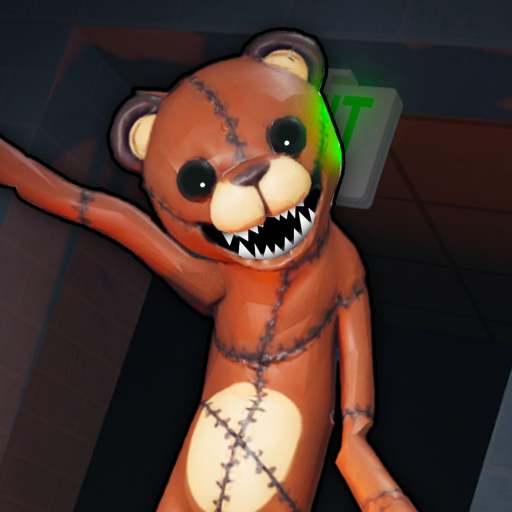
In-game tutorial script and gameplay as shown in Spysem's full walkthrough (Aug 14, 2026) and MoreNizarisaqt's day-one/day-two walkthrough (Aug 27, 2026); checked 2026-10-03. Exact prices and timers vary between videos and are player-observed, not official.

Progression system

The shift structure and what ends it

Badge shares from the Roblox Badges API (checked 2026-10-09); what-happens notes from walkthrough footage — Spysem's timestamped walkthrough (Shift 1 at 0:00, Shift 2 at 10:35, Shift 3 at 18:38) and MoreNizarisaqt's day-one/day-two video (checked 2026-10-03)

ShiftBadgeShareWhat footage shows
Shift 1Night Shift 128.8%The tutorial shift. The in-game phone call teaches registration, workshop repairs, and the purifier; the first 'not quite right' toys arrive. Player footage shows the basics: stamping tickets, cleaning, sewing, restuffing, and one or two anomaly checks.
Shift 2Night Shift 211.1%The walkthrough 'day two'. Footage shows more customers per night, timer arrivals that pressure repair speed, and the first breach events where the game orders you to eliminate an infiltrator loose in the shop.
Shift 3Night Shift 35.9%The last story shift, ending in the story finale. One walkthrough's ending sequence shows that the toys are the shop's former workers, and the game then states it 'will continue in endless mode'.

The ending after Shift 3 is the structural exit: walkthroughs converge on the reveal that the toys are the shop's former workers, and the game then continues in endless mode — same loop, no story cap. The official Endless Mode badge description confirms the handoff verbatim.

Threat system

How the anomaly layer works

Anomalies are not a separate map or mode — they are a property individual toys can carry, plus the breach events that inject a threat mid-shift.

Detection

Behavioral tells (strange gait, floating) and the camera photo check. The official description sets the stakes: “every so often a toy comes in that isn't quite... right.”

Response

The purifier, used per the tutorial without hesitation. Both failure modes are documented: purifying an innocent toy (“That was an innocent toy”) and accepting an anomaly that returns at shift end.

Breach events

The alert-based threat: an infiltrator loose in the shop, ordered eliminated “as soon as possible.” The main documented HP drain and the reason bandages exist in the shop.

A complete anomaly list, per-shift anomaly counts, and purifier upgrade mechanics stay undocumented — no source enumerates them as of 2026-10-09.

FAQ

Systems questions

What areas does Toy Repair Shop have?

Footage documents three recurring spaces: the front counter where toys register and you stamp their tickets, the workshop where the repair benches and camera live, and the break room with the supply shop. Between shifts you walk home through the dark to your house, which acts as the story's second map.

How does the shift system work?

The story is three night shifts. Each shift runs the counter-to-workshop loop until the game ends it, then you walk home, sleep, and the next shift begins. After Shift 3's ending the game continues in endless mode — the official badge text confirms the handoff.

What is a breach event?

A mid-shift alert — 'Warning. Breach detected. Eliminate infiltrator as soon as possible.' — during which a creature is loose in the shop. The purifier is the documented answer, and breach events are the main documented HP drain.

Is Toy Repair Shop multiplayer?

Roblox lists a 32-player server size, but every published walkthrough is solo and no co-op mechanics, roles, or shared-shop behavior are documented. Treat multiplayer as an open question, not a feature.

How do anomalies fit into the systems?

Anomalies are the exception layer on top of the repair loop: most toys are normal, 'every so often a toy comes in that isn't quite... right', and the photo check plus purifier are the countermeasures. The official description's rule is absolute: 'Do not make any mistakes.'

Related pages

Go deeper into each system

Back to the wiki hub